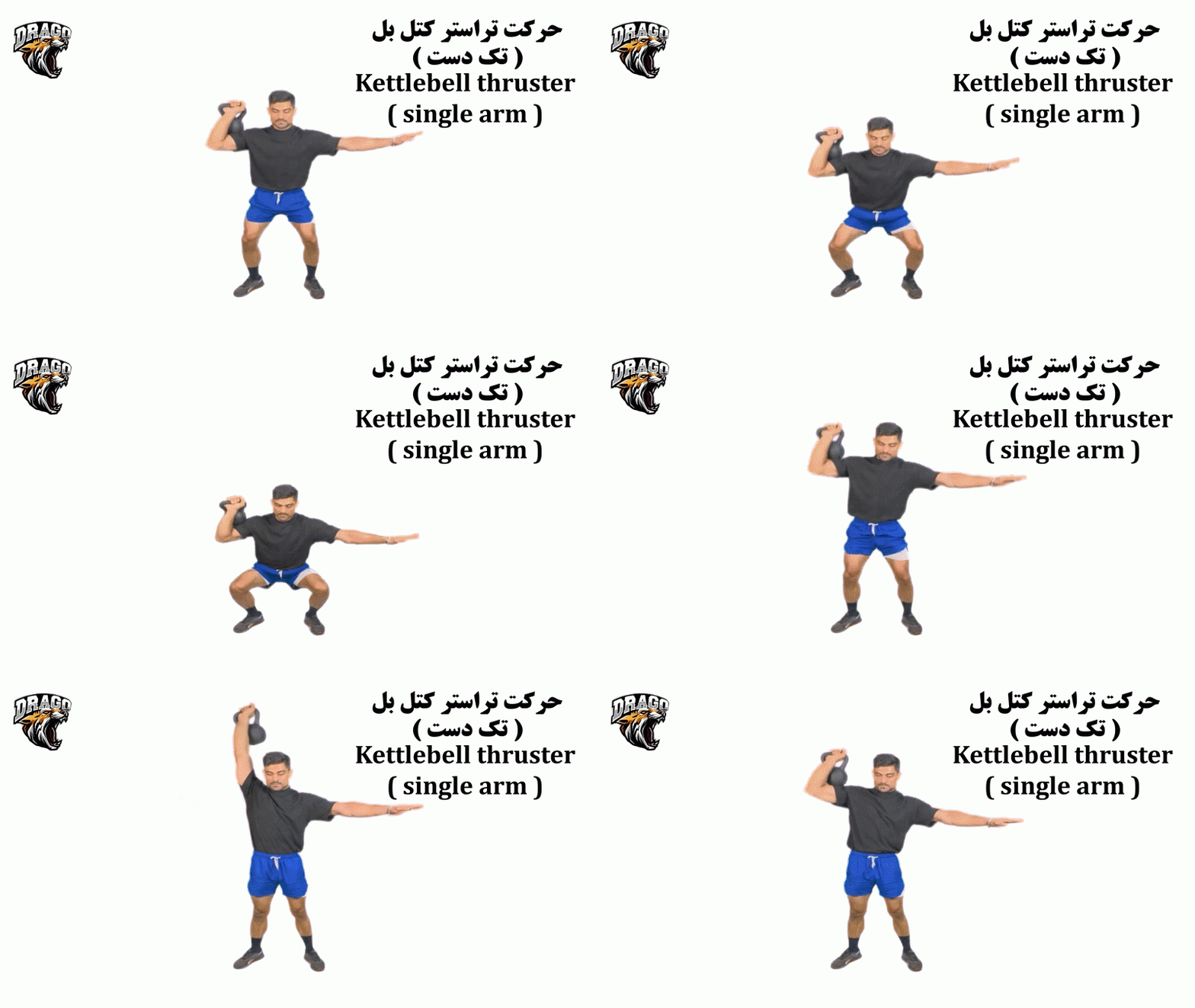

Single Arm Kettlebell Push Jerk
The Single Arm Kettlebell Push Jerk is a compound, explosive movement in CrossFit and functional fitness that develops strength, balance, joint stability, and full-body coordination. In this exercise, a kettlebell is held in one hand in the rack position (on the forearm and upper arm close to the body). Then, using the power of the legs and hips, an explosive drive is performed to press the kettlebell overhead.
Learn more about CrossFit Movements at Drago Gym CrossFit
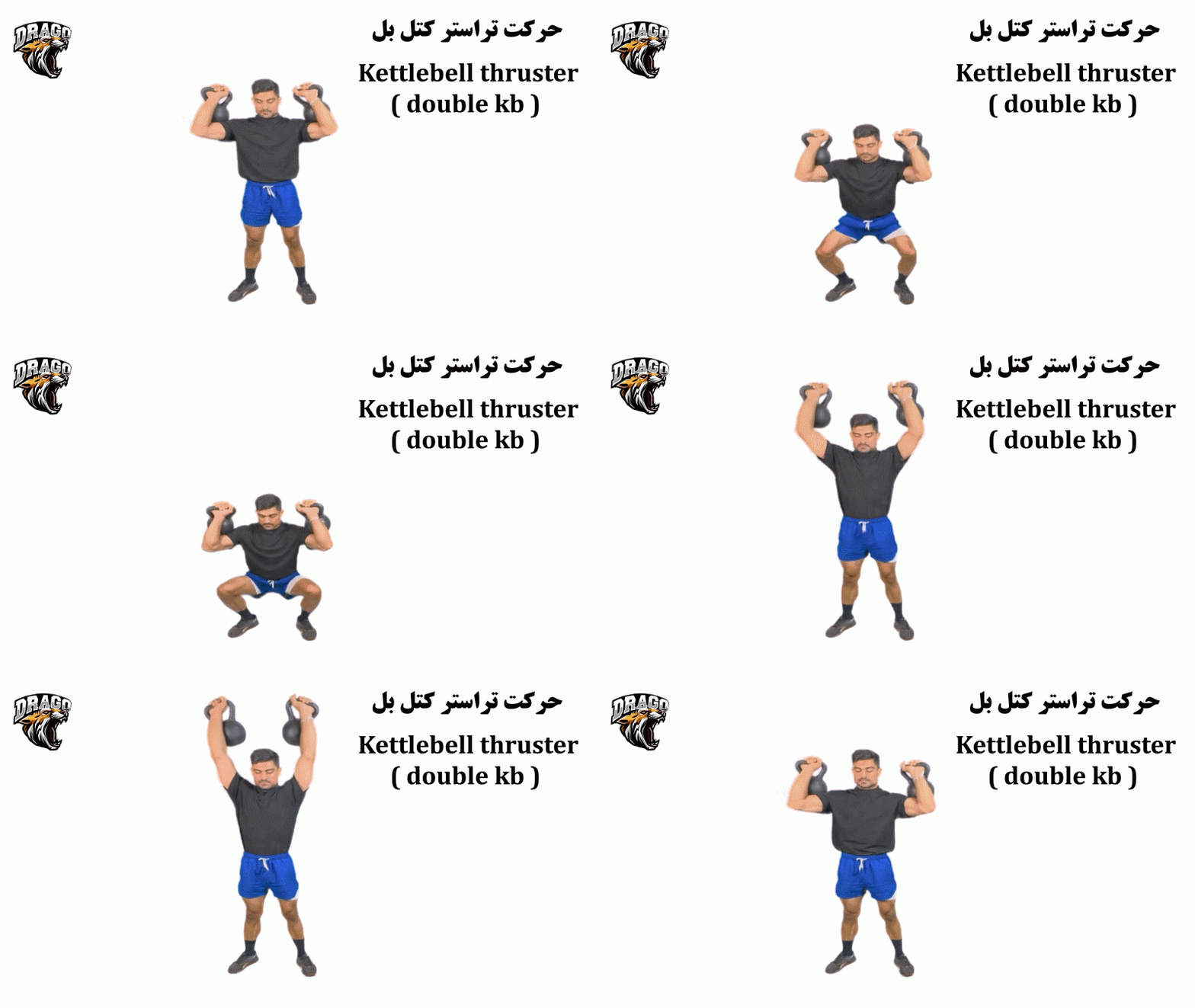
Suggested read: Kettlebell Push Jerk (Double Arm)
Key Benefits
Explosive Power: By driving force through the hips and legs, this exercise improves the ability to generate fast, powerful movements.
Full-Body Engagement: Shoulders, arms (especially triceps), core, hamstrings, glutes, and quads are all activated.
Stability & Balance: The unilateral load forces the core and stabilizers to work harder to prevent rotation and maintain control.
Joint Mobility & Range of Motion: Improves movement capacity of shoulders, wrists, knees, and ankles.
Corrects Muscle Imbalances: Since each arm works independently, weaker sides can be strengthened to balance performance.
Follow these steps for proper execution:
| Step | Description |
|---|---|
| Setup | Stand with feet shoulder-width apart, firmly grounded. Hold the kettlebell in rack position with elbow close to your body. Keep spine neutral and eyes forward. |
| Dip | Slight bend at knees and hips to load power while maintaining upright posture. |
| Drive | Explosively extend hips and knees to generate upward force, transferring energy to the kettlebell. |
| Push Jerk | As the drive peaks, press and lock the kettlebell overhead. Maintain stability throughout the movement. |
| Lock Out & Control | Hold the kettlebell overhead with a strong core and glutes engaged. Return it under control to rack position and repeat on the opposite arm. |
| Breathing | Inhale before the dip; exhale during the drive and overhead press. |
Common Mistakes & Fixes
| Mistake | Problem | Correction |
|---|---|---|
| Excessive spinal arch or rounding | Increased stress on the lower back | Engage the core, keep the spine neutral, and hinge from the hips. |
| Overusing the arms instead of legs and hips | Reduced power, faster fatigue | Practice with lighter weight focusing on hip and leg drive. |
| Too deep or repeated dips without stability | Knee strain, loss of explosive power | Maintain moderate dip depth with control before progressing deeper. |
| Improper kettlebell alignment | Instability, imbalance | Keep arm and shoulder aligned with the body’s midline; check form with a mirror or coach. |
| Starting with a kettlebell that’s too heavy | Loss of control, joint strain | Begin light, focus on form, then gradually increase weight. |
Advanced Tips
Progressive Overload: Once technique is solid, gradually increase kettlebell weight or reps.
Variations: Try double kettlebell push jerk, kettlebell clean & jerk, or split jerk for added variety and functional adaptation.
Programming in CrossFit: Use it within WODs or as separate strength sets. Example: 3–4 sets of 2–5 reps for power, or higher volume for endurance.
Muscles Worked
Deltoids and upper back for overhead control.
Triceps for lockout stability.
Core (abs, obliques, lower back) for posture and anti-rotation.
Glutes, quads, and hamstrings for dip and drive power.
Ankle, wrist, and stabilizers for balance and control during unilateral load.
How to Use in CrossFit Programming
For Power: Heavy sets with low reps (2–5).
For Endurance/Cardio: Moderate weight with higher reps or timed sets (AMRAP, EMOM).
Warm-Up: Include mobility drills for shoulders, hips, wrists, and ankles before starting.
Rest: 1–2 minutes for strength focus; 30–60 seconds for endurance or metabolic work.
For a complete CrossFit training program that integrates this and other functional movements, check out our CrossFit Training Programs.
Conclusion
The Single Arm Kettlebell Push Jerk is a highly effective CrossFit movement — not only does it build explosive power, but it also enhances balance, joint stability, and muscular coordination. Performed consistently with proper form, it significantly improves strength, stability, and overall athletic performance.
Keep reading